
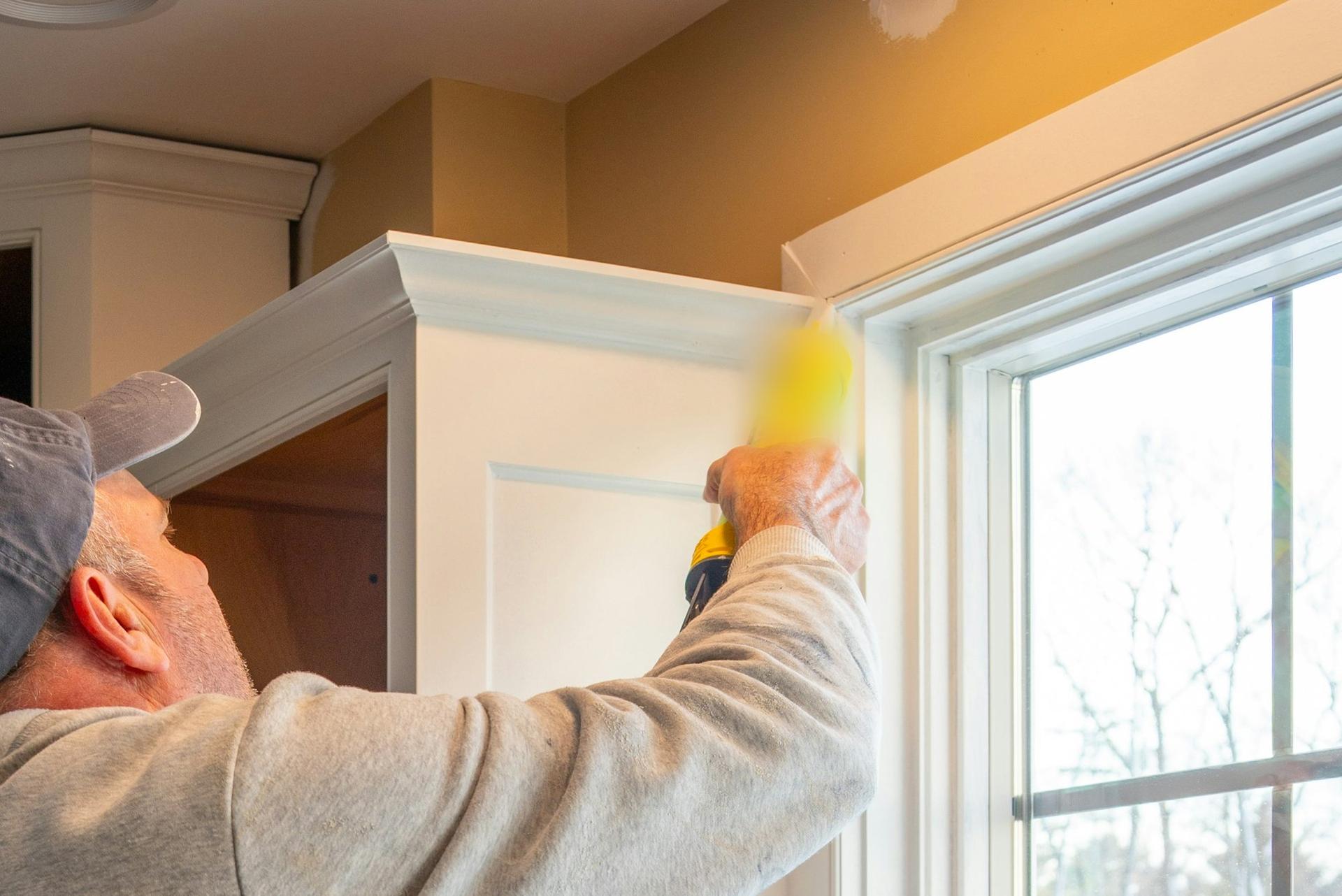
Silicone & Mastic Sealing in Berkshire
Old sealant cut out, joints cleaned and prepared, and new silicone or mastic applied inside your home or business with a clean, neat and professional finish.
High Quality Materials
Expert Workmanship
Reliable & Trusted
On Time Every Time
The Right Sealant, Applied Properly
Sealant does an important job. It keeps water out of the gaps around baths, showers and worktops, helps stop draughts around window and door frames, and closes the joints where different materials meet, from skirting boards to tiled edges. Once it is cracked, mouldy or coming away, it stops doing that job, and it looks tired too.
We remove the old sealant, prepare the joint properly and apply the right silicone or mastic for the job, inside homes and businesses in Reading, Slough, Bracknell, Wokingham, Maidenhead, Newbury, Windsor and Ascot, and across the rest of Berkshire.
- Old sealant fully removed
- Joints cleaned, dried and prepared
- Silicone or mastic chosen for the joint
- Neat, even sealant lines
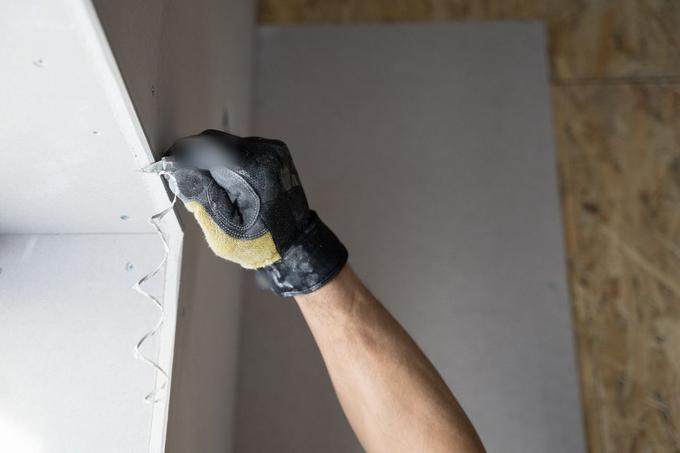
Choosing the Right Sealant
Silicone and mastic are both flexible sealants, but they suit different jobs. We choose the product for the joint, the surfaces it has to stick to and whether it will get wet or be painted.
Silicone
The usual choice in bathrooms and kitchens. It stays flexible once cured and resists water, and sanitary grades contain a fungicide to help resist mould. We use it around:
Baths, showers and shower trays
Basins, sinks and splashbacks
Kitchen worktops and upstands
Tiled edges and internal corners
Mastic
The name the trade often uses for the flexible sealants around frames, window boards, skirting and other interior joints, including paintable decorators' sealant where the joint will be painted. We use it on:
Window frames and window boards
Door frames and architraves
Skirting boards and coving
Decorating joints before painting
Why flexibility matters
Joints move, and a flexible sealant moves with them instead of cracking the way grout or filler would. Indoors, movement comes from:
Temperature changes as the heating comes on and off
Timber shrinking and swelling
Baths and shower trays moving under weight
The building settling over time
Every joint is different, so we choose the sealant to suit the job, in a colour to suit the surfaces around it.
Get a QuoteWhy We Never Seal Over Old Sealant
New sealant should never go over old. It will not bond properly to old silicone or mastic, and any mould or dirt underneath is sealed in behind the new line, where it soon shows through. The result looks untidy and is likely to fail early.
So every job starts with the old sealant coming out. We cut it back, remove the residue from the joint, then clean and dry the surfaces so the new sealant has something sound to bond to.
Applying the new sealant
The sealant goes in as one steady, continuous bead, sized to fill the joint, and is then tooled to a smooth, even finish that sheds water. Deep or wide joints may need a foam backing rod first, so the sealant sits at the right depth and can flex with the joint.
When we have finished, we'll advise on the cure time for the product used, so you know when the area can be used again.
Resealing a bath, shower or worktop? See bathroom and kitchen resealing. For frames and window boards, see window and door sealing, and for skirting, coving and trims, see interior sealing.
Our Sealing Process
The same careful steps on every joint, from one bath to a whole building.
- 1
Check the joint
We look at the joint, the surfaces either side and why the old sealant failed.
- 2
Remove the old sealant
Old silicone or mastic is cut out and the residue cleared from the joint.
- 3
Clean and prepare
Surfaces are cleaned and left dry, with the edges masked where a crisp line is needed.
- 4
Apply and tool
New sealant goes in as a continuous bead and is tooled to a smooth, even finish.
- 5
Check and tidy up
We check every line, clear away the waste and advise on the cure time.
Signs Your Sealant Needs Replacing
Sealant deteriorates over time. Once it starts to fail it cannot be patched, so it needs cutting out and replacing.
What to look for
Cracks, splits or gaps in the sealant
Yellowed or discoloured sealant
Black or grey mould that will not clean off
Sealant shrinking or peeling away from the surface
Hard, brittle sealant around frames
What failed sealant can lead to
Water getting behind baths, showers and worktops
Damp and stained walls
Damaged floors and ceilings below
Draughts around window and door frames
Gaps that collect dirt and look untidy
Why Choose Berkshire Mastic Man?
High quality materials, expert workmanship and a clean, neat and professional finish, on time every time.
High quality materials
The right sealant for every job: mould-resistant sanitary silicone for bathrooms and kitchens, and flexible or paintable sealants for frames, window boards and skirting.
Expert workmanship
Neat, even sealant lines that look right and do their job, whether it is one bath or a whole building.
Reliable & trusted
Dependable from start to finish: we do what we say we will and treat your property with care.
Clean, neat & professional finish
Old sealant fully removed, surfaces cleaned and prepared, and the area left tidy when we finish.
On time every time
We turn up when we say we will and get the job done without fuss.

Frequently Asked Questions
Answers to common questions about silicone and mastic sealing.
Related Services
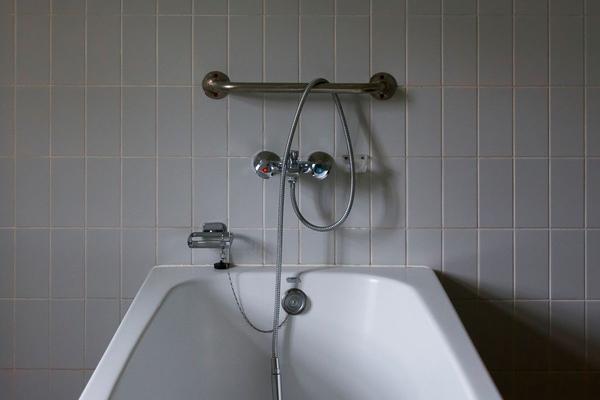
Bathroom & Kitchen Resealing
Mouldy, cracked or peeling sealant replaced around baths, showers, basins, sinks and worktops, with sanitary silicone and a neat finish.
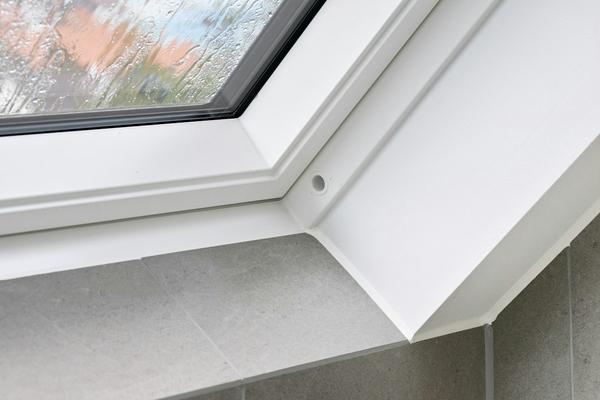
Window & Door Sealing
Window and door frames sealed on the inside to help stop draughts and give a neat finish, from window boards and architraves to patio doors and bifolds.
Interior Sealing
Skirting boards, worktops, tiled edges, window boards, door frames and decorating joints sealed neatly inside homes and businesses across Berkshire.
Get a Silicone & Mastic Sealing Quote
Tell us what needs sealing, send a photo if you can, and we'll come back with a clear price.